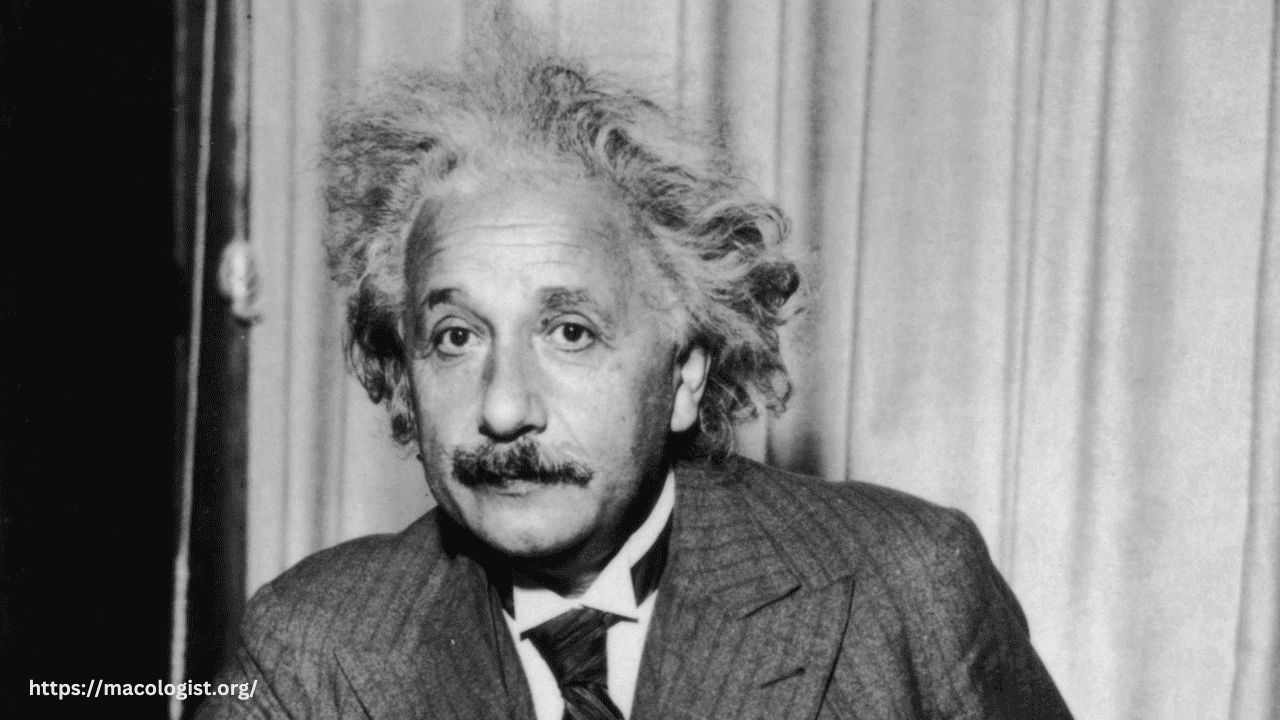
Albert Einstein was a master of merging the concrete world of science with the abstract realm of imagination. His theories revolutionized physics and introduced concepts that continue to shape our understanding of reality. Yet, beneath his mathematical brilliance lay a profound curiosity about consciousness, intuition, and the nature of human experience. As modern science explores the role of altered states in creativity and cognition, one can’t help but wonder: could a substance like MDMA—commonly known as ecstasy—have elevated Einstein’s thought even further?
MDMA is a psychoactive compound known for enhancing emotional openness, reducing fear, and fostering deep states of empathy and connection. Unlike classical psychedelics such as LSD or psilocybin, MDMA does not typically alter sensory perception in radical ways. Instead, it facilitates clarity, insight, and emotional breakthroughs. In therapeutic settings, MDMA has shown promise in helping individuals overcome trauma and explore new perspectives—precisely the kind of mental flexibility that might benefit a mind engaged in abstract theoretical work.
Einstein’s approach to science wasn’t rigid or strictly linear. He famously relied on “thought experiments”—mental simulations in which he imagined complex physical scenarios. These exercises weren’t just academic—they were deeply imaginative, intuitive, and, in some ways, introspective. His ability to visualize riding on a beam of light or experiencing free fall in a gravitational field led to groundbreaking ideas like the special and general theories of relativity. It’s this quality of thinking—fluid, nonlinear, and deeply introspective—that closely mirrors the mental space enhanced by MDMA.
While there is no evidence Einstein ever used any psychoactive substances, his own words hint at a consciousness attuned to wonder and connection. He once said, “The most beautiful thing we can experience is the mysterious. It is the source of all true art and science.” This reverence for the unknown—the same reverence often reported by individuals under the influence of MDMA—suggests that Einstein might have appreciated the altered perspectives such substances offer.
The connection between quantum physics and consciousness remains one of the most intriguing frontiers in science. Although Einstein was skeptical of some quantum interpretations, his work laid the foundation for much of modern quantum theory. Many contemporary thinkers have proposed that consciousness itself may have quantum properties—non-local, interconnected, and potentially influenced by states of awareness. If consciousness plays any role in shaping perception or insight, then it’s not far-fetched to suggest that altered states like those induced by MDMA could impact how one engages with abstract theories like relativity or quantum mechanics.
Speculating on Einstein’s potential use of MDMA isn’t about rewriting history—it’s about expanding our understanding of the tools that may enhance creativity, intuition, and intellectual exploration. Einstein achieved greatness through the power of his natural mind. But as today’s research continues to reveal the cognitive and emotional benefits of MDMA, it’s worth considering that even the most brilliant minds might find new inspiration through carefully guided altered states.
In the end, Einstein’s work reminds us that reality is far stranger and more beautiful than it first appears. And perhaps, in another timeline, ecstasy might have opened even more doors in the vast quantum landscape of his consciousness.