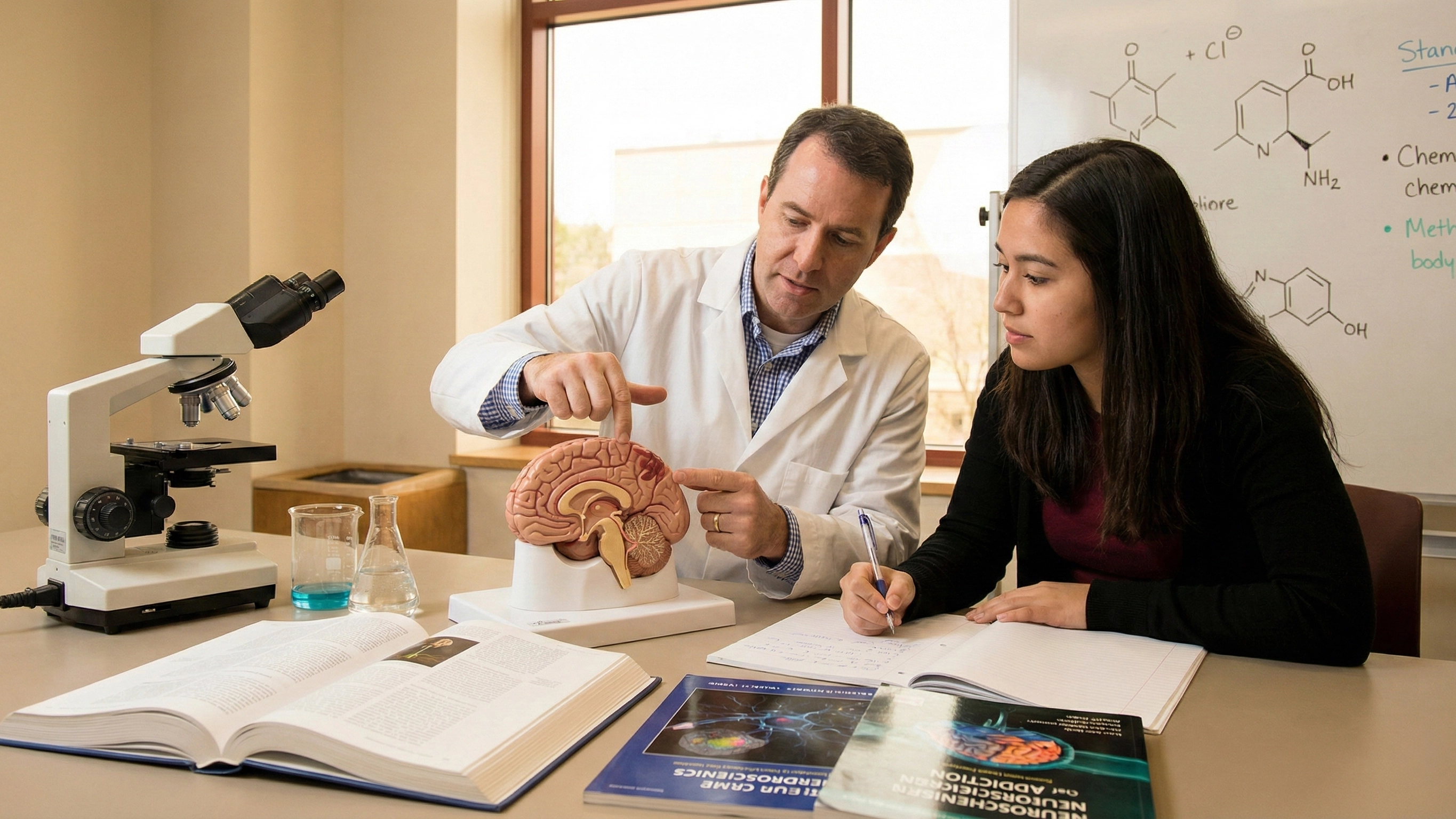
Scientific breakthroughs often require years of dedication, intense concentration, and the ability to work through repeated setbacks. Yet behind impressive discoveries and professional achievements, some scientists face personal struggles that remain largely unseen. Research deadlines, funding pressures, long working hours, and the constant expectation to produce results can contribute to stress, anxiety, and emotional exhaustion. For some, alcohol or drug use may gradually become a way to cope. Understanding the hidden struggles of scientists living with substance use disorders is essential because intelligence, education, and professional success do not protect anyone from addiction.
Substance use disorders are complex health conditions, not signs of weak character or a lack of discipline. Scientists experiencing addiction deserve the same understanding and access to effective care as anyone else. With appropriate addiction treatment, mental health support, and an individualized recovery plan, they can address harmful substance use while rebuilding a healthier relationship with their careers, relationships, and personal goals.
The Hidden Pressures Behind Scientific Achievement
Scientific careers can be rewarding, but they also involve challenges that affect emotional well-being. Researchers often work in competitive environments where progress depends on funding, publications, collaboration, and measurable results.
The Pressure to Perform and Produce Results
Scientists may spend months or years investigating a research question without knowing whether their efforts will produce the expected outcome. Grant applications can be rejected, experiments can fail, and publication deadlines can create ongoing pressure.
In highly competitive environments, individuals may feel that their professional value depends on continuous achievement. This expectation can make it difficult to rest, establish boundaries, or acknowledge emotional distress.
Over time, persistent pressure may contribute to anxiety, sleep difficulties, burnout, and depression. Without healthy coping strategies, some individuals may begin using alcohol or drugs to relax, stay awake, manage stress, or temporarily escape difficult emotions.
Isolation and the Demands of Research
Scientific work often involves long periods of independent study, laboratory work, data analysis, and writing. Although collaboration is common, researchers may spend considerable time working alone.
Professional isolation can make personal struggles harder to recognize. A scientist experiencing emotional distress may avoid discussing it with colleagues because of concerns about reputation, career advancement, or professional relationships.
When someone feels unable to ask for help, substance use can become a private coping mechanism. Unfortunately, secrecy may allow the problem to develop before friends, family members, or coworkers recognize the warning signs.
How Substance Use Disorders Can Develop Among Scientists
Substance use disorders do not develop for one single reason. Genetics, mental health, environmental pressures, personal experiences, and patterns of substance use can all contribute.
For some scientists, substance use may begin as an occasional response to stress. Someone might drink after a difficult workday or misuse medication to manage sleep problems. However, repeated use can gradually change a person’s relationship with a substance.
Self-Medication for Stress and Anxiety
Researchers may experience anxiety related to deadlines, professional evaluations, failed experiments, or uncertainty about their careers. Alcohol or drugs may initially seem to provide temporary relief.
For example, a person may drink to quiet racing thoughts after work. Another individual might misuse prescription medication in an attempt to improve concentration or remain productive.
Although these substances may temporarily change how someone feels, they do not resolve the underlying causes of distress. Repeated use can create additional problems, including dependence, impaired judgment, disrupted sleep, and worsening mental health symptoms.
When Occasional Use Becomes a Pattern
One challenge in recognizing addiction is that substance use may become part of an established routine.
A scientist might initially use a substance only during stressful periods. Eventually, however, the person may begin relying on it to complete everyday responsibilities, manage emotions, or feel comfortable in social situations.
This pattern deserves attention, particularly when someone continues using a substance despite negative consequences. A professional assessment can help determine whether substance use has developed into a disorder and identify an appropriate level of care.
Recognizing the Warning Signs of Addiction
Professional accomplishments can sometimes make substance-related problems harder to recognize. A scientist may continue publishing research, attending meetings, or fulfilling workplace responsibilities while experiencing significant difficulties outside the professional environment.
Maintaining productivity does not necessarily mean that substance use is under control.
Behavioral and Emotional Changes
Warning signs can vary from person to person, but some patterns deserve attention:
- Increasing the amount or frequency of alcohol or drug use.
- Using substances alone or hiding use from friends and family.
- Feeling unable to relax, sleep, or manage stress without a substance.
- Experiencing cravings or repeated unsuccessful attempts to reduce use.
- Neglecting relationships, hobbies, or personal responsibilities.
- Becoming more anxious, irritable, withdrawn, or emotionally exhausted.
- Continuing substance use despite health, financial, or professional problems.
Not everyone experiences the same symptoms. However, repeated patterns of harmful use should not be dismissed simply because someone remains successful at work.
Understanding the Connection Between Addiction and Mental Health
Substance use disorders can occur alongside depression, anxiety, trauma-related symptoms, and other mental health conditions. Sometimes, emotional distress contributes to substance use. In other situations, repeated substance use can worsen existing psychological difficulties.
This relationship makes comprehensive treatment especially important. Addressing substance use without considering mental health may leave significant challenges unresolved.
A qualified professional can assess both concerns and recommend care that addresses the person’s full range of needs.
Why Scientists Need Comprehensive Addiction Treatment
Scientists seeking help may worry that treatment will disrupt their careers or require them to abandon professional goals. In reality, recovery can help individuals regain the stability, concentration, and emotional health needed to pursue meaningful work.
Effective treatment should consider more than the substance being used. It should also address personal circumstances, mental health concerns, relationships, and professional pressures that may influence recovery.
Inpatient Treatment for Structure and Support
Inpatient addiction treatment provides a structured setting where individuals can focus on recovery away from some everyday stressors.
Depending on the program and clinical assessment, services may include medical supervision, individual counseling, group therapy, behavioral interventions, and mental health care.
For people experiencing severe substance-related difficulties, significant withdrawal risks, or co-occurring mental health concerns, inpatient treatment may provide an appropriate level of support.
This setting also creates an opportunity to establish healthier routines, understand personal triggers, and develop practical strategies for managing stress. Anyone who may be physically dependent on alcohol or certain drugs should seek medical advice before stopping, since withdrawal can sometimes be dangerous.
Outpatient Treatment for Greater Flexibility
Outpatient addiction treatment allows individuals to receive professional support while continuing to live at home. Depending on the program, participants may attend scheduled therapy sessions, counseling appointments, educational groups, and other recovery services.
This option may suit people who have a stable living environment and can safely manage treatment alongside work, family, or educational responsibilities.
Scientists who want to continue research or maintain certain professional commitments may appreciate this flexibility. However, the right treatment setting should always be determined by clinical needs rather than convenience alone.
The Role of Holistic and Individualized Recovery
Lasting recovery involves more than stopping substance use. It also requires developing healthier ways to respond to stress, maintaining emotional stability, and rebuilding a meaningful daily routine.
A whole-person approach can help individuals address the physical, psychological, social, and personal aspects of recovery.
Supporting Mental and Physical Well-Being
Holistic services can complement evidence-based addiction treatment by helping individuals develop healthier habits.
Depending on the treatment program, these services may include:
- Mindfulness practices: Breathing exercises and meditation can help individuals become more aware of stress and emotional triggers.
- Physical activity: Appropriate exercise can support general health, improve daily structure, and provide a healthy outlet for tension.
- Nutrition guidance: Balanced eating habits can help support physical well-being during recovery.
- Relaxation techniques: Healthy relaxation strategies can provide alternatives to using substances to manage pressure.
- Recreational activities: Meaningful activities can help people rediscover interests outside their professional responsibilities.
These practices are not substitutes for clinical addiction treatment. Instead, they can strengthen a broader recovery plan.
Faith-Based Support and Personal Meaning
For individuals who value spirituality, faith-based support may provide encouragement, hope, and a sense of purpose during recovery.
Spiritual practices can help some people reflect on their values, rebuild relationships, and develop a stronger sense of connection. They may also provide a supportive community during difficult periods.
Faith-based services should complement appropriate medical and psychological care. Recovery is personal, so spiritual support should respect each individual’s beliefs and preferences.
Why Individualized Treatment Matters
No two scientists have exactly the same experiences with substance use. One person may struggle with alcohol and workplace stress, while another may face prescription drug misuse alongside depression or anxiety.
An individualized treatment plan considers factors such as substance use history, mental health needs, physical health, family relationships, career responsibilities, and personal goals.
This approach helps ensure that treatment addresses the reasons behind harmful patterns rather than focusing exclusively on the symptoms.
Rebuilding a Healthy Relationship With Work and Life
Recovery does not require scientists to abandon their curiosity, intelligence, or professional ambitions. Instead, it can help them develop a healthier relationship with achievement.
An important part of this process is learning that personal worth is not determined by research output, academic recognition, or professional status.
Establishing Healthier Work Habits
Scientists in recovery can benefit from practical changes that protect their well-being.
Setting realistic working hours, taking regular breaks, maintaining consistent sleep routines, and making time for relationships can reduce some of the pressures associated with demanding careers.
It is also helpful to identify situations that may trigger cravings or emotional distress. For example, a difficult project, a rejected publication, or a conflict with a colleague may create feelings that previously led to substance use.
With guidance from a therapist or recovery professional, individuals can develop healthier responses to these situations.
Strengthening Relationships and Support Systems
Addiction can affect trust, communication, and family relationships. Rebuilding these connections often takes time, but supportive relationships can become an important part of long-term recovery.
Scientists may benefit from identifying trusted friends, relatives, counselors, or peer support groups with whom they can speak honestly.
Asking for help does not diminish professional ability. It demonstrates a willingness to protect personal health and address a serious concern before it creates further harm.
Taking the Next Step Toward Recovery
The struggles behind scientific breakthroughs are not always visible. A person may be respected for professional achievements while privately dealing with anxiety, depression, burnout, or substance use. Recognizing these challenges is an important step toward making treatment more accessible and reducing the stigma surrounding addiction.
Scientists living with substance use disorders deserve care that recognizes their individual circumstances. Inpatient and outpatient treatment, mental health services, evidence-based therapies, holistic support, and optional faith-based care can all contribute to a personalized recovery plan.
If substance use is affecting your health, relationships, or ability to enjoy life, you do not have to wait until everything falls apart before seeking help. Speaking with a qualified addiction professional can help you understand your options and determine the next step.
At Macologist, the focus on addiction recovery and mental health treatment reflects the importance of addressing the person behind the struggle. Recovery is not about losing your ambition or giving up your purpose. It is about building a healthier foundation so you can pursue what matters while protecting your well-being. Reaching out for support can be the beginning of that change.