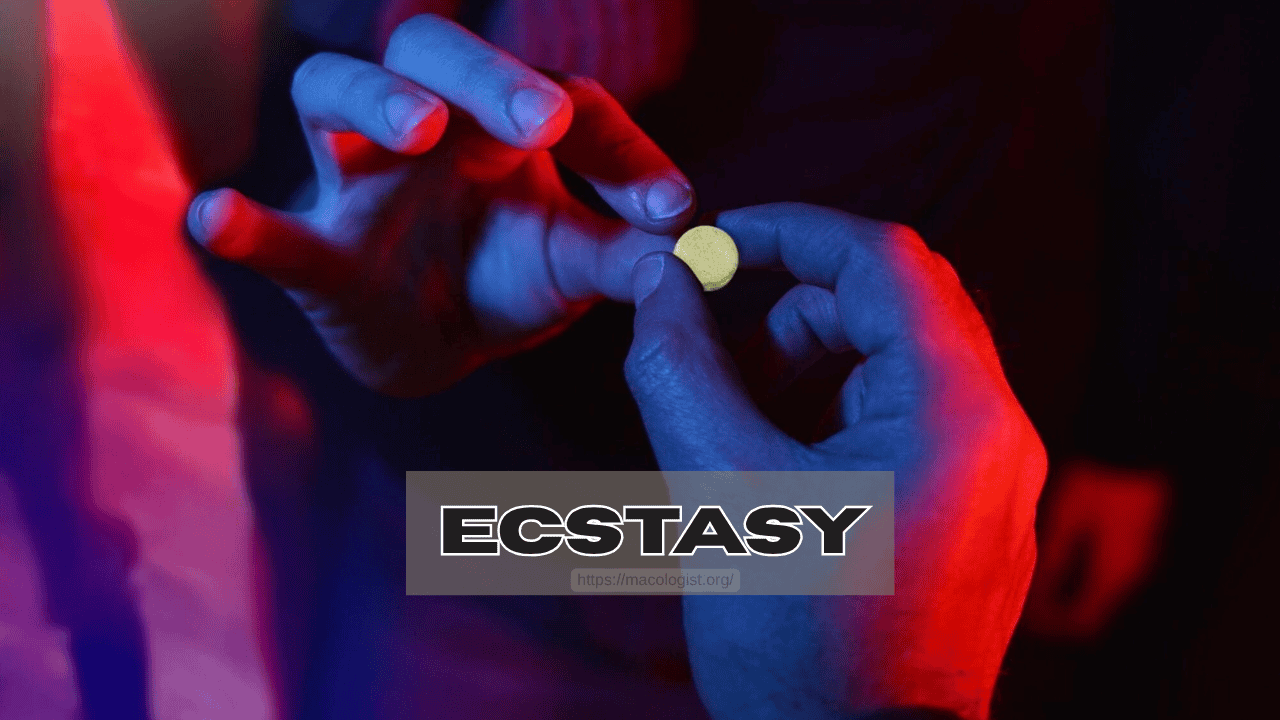
Albert Einstein revolutionized our understanding of the universe through imagination, intuition, and rigorous scientific inquiry. His theories of relativity challenged conventional thought and opened new dimensions of perception. While Einstein never experimented with MDMA, commonly known as ecstasy, considering how altered states of consciousness could influence creativity offers a thought-provoking perspective. In addiction recovery, similar principles apply: expanding awareness, enhancing emotional clarity, and embracing new perspectives can catalyze meaningful change and personal breakthroughs.
The Intersection of Emotion and Innovation
Einstein’s genius was not confined to logic and mathematics. His thought experiments required deep imagination and emotional engagement, which allowed him to conceptualize complex theories in unique ways. MDMA has been studied for its potential to heighten empathy, reduce anxiety, and encourage introspection. While its clinical use is controlled and guided by professionals, the underlying principle of emotional clarity mirrors essential aspects of recovery: understanding oneself, confronting hidden emotions, and opening new pathways for growth.
Recovery as a Creative Process
Addiction often narrows perception, trapping individuals in cycles of behavior that limit their potential. Recovery, however, is a process of expanding consciousness and exploring new dimensions of thought and emotion. Just as Einstein envisioned possibilities that others could not see, clients in treatment are encouraged to reimagine their lives and discover new ways of living. At Macologist, our holistic programs—combining inpatient and outpatient care, therapy, and faith-based support—help individuals explore these new dimensions safely and effectively.
Holistic Approaches to Expanded Awareness
Einstein frequently emphasized the interconnectedness of the universe. In recovery, holistic approaches foster a similar sense of connection. At Macologist, we focus on treating the whole person: mind, body, and spirit. Mindfulness practices, expressive therapies, and personalized care plans cultivate self-awareness and emotional resilience. These methods create an environment where individuals can experience profound insights, much like a thought experiment in science, and apply them to everyday life for lasting recovery.
Emotional Clarity as a Catalyst for Change
The theoretical impact of MDMA on creativity highlights a broader truth: emotional clarity is essential for innovation and personal growth. In recovery, developing self-awareness and processing emotions are critical steps toward sustainable change. Macologist’s compassionate, individualized care supports clients as they navigate these challenges, build resilience, and create healthier habits. By unlocking emotional potential, individuals gain the insight and courage needed to transform their lives.
Conclusion
Considering how ecstasy might have influenced Einstein’s creativity is not about substance use—it is a metaphor for the power of emotional clarity and expanded perspective. In addiction recovery, embracing these same principles can lead to profound breakthroughs and renewed purpose. At Macologist, we guide each individual with holistic, faith-based, and personalized care, helping them unlock their own potential and create a life of balance, meaning, and health. If you or a loved one is seeking recovery, reach out today to begin the journey toward transformation and lasting change.